

Be it the UAE or anywhere in the world, you rarely see hospitals where all the staff wear the same uniform. The nurses do not wear the same scrubs as the doctors do, nor does the person handling the triage in the ER wear the same uniform as the staff member at the front desk. Even nurses who work in the ICU do not have the same work clothes as those in the casualty ward. The same is applicable to doctors working in different departments such as surgery, paediatrics, or gynaecology. That is not odd or weird, but exactly how it is supposed to be. But why?
Every department in a hospital has different requirements, risks, pace of work, and hygiene practices. This means that a uniform that works perfectly in the ICU can be unsafe in the OT, or a shirt that looks sharp and welcoming at the reception desk would not hold up for even a week in the ER. This is exactly why ordering uniforms for a hospital or any healthcare organization is not as easy as picking a color, fabric, and style. Hospitals do not work like corporate offices, and hence, a one-size-fits-all approach will not work there, no matter what.
For this reason alone, there is a reasonably long checklist that you need to tick off before signing a contract with any hospital uniform suppliers in the UAE. This is exactly why you need to partner up with specialized uniform suppliers in the UAE, such as Golden Arch, who understand the differences and their importance instead of treating every department the same way. This article breaks down what changes from ward to ward and why it matters more than you realize.
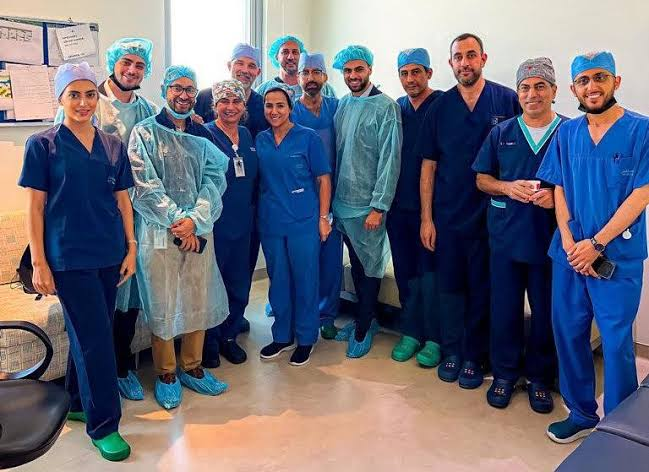
Why department-specific uniforms matter
The first thing everyone needs to understand about hospital uniforms is the basic purpose behind them. That includes,
- Protecting the patient as well as the person wearing it from cross-contamination.
- Supporting the physical demands of the job, which includes movement, comfort, and durability
- Helping visitors and staff identify roles at first glance
Although it might feel like all three of these points are not equally important, that is absolutely not true, and if you have ever worked in healthcare, you would know that firsthand. When any of these purposes are ignored, problems start showing up faster than you imagine. For instance, you might hear complaints from nurses about scrubs that bunch up during long shifts, come across surgeons dealing with fabric that traps heat under bright OT bulbs, or see admin staff wearing uniforms that feel more like a costume than a professional fit. This is why getting the specifications right for each department is an operational decision rather than a cosmetic one.
ICU: Where infection control comes first
The Intensive Care Unit is the place where the most vulnerable people in a hospital building are. There, you will see cases where people come in with wounds wide open, immune systems compromised, and every other worst-case scenario possible you can think of. For this reason, the margin for error around hygiene is absolutely zero in any ICU. So, uniforms worn in the ICU need to be built around one priority, which is reducing the risk of transferring bacteria.
ICU uniforms have certain specifications meant to meet these requirements.
- Antimicrobial: ICU uniforms should be made of antimicrobial- or antibacterial-treated fabric that prevents bacterial buildup between washes.
- Fewer pockets, even better if it has none, since pockets are the areas that trap more microorganisms.
- A closer, non-loose fit that reduces the chances of the fabric brushing against patients or equipment.
- The kind of fabric that can handle frequent, high-temperature industrial washing without getting destroyed after a few washes.
- Preferably short-sleeved or roll-up options for proper hand hygiene, allowing washing up to the elbow.
Another factor that matters as much as hygiene does is the breathability of the fabric. This is especially important because the ICU staff stay on their feet for long hours, and non-breathable fabrics can easily feel suffocating after a short while, especially in the UAE climate. For example, a heavy cotton blend that will feel fine in the office can leave ICU staff overheated by midshift, which is why many hospital uniform suppliers in the UAE lean toward moisture-absorbing polycotton blends for the ICU now.
OT: It’s all about sterility
Operating Theatre uniforms are not everyday scrubs. They belong to an entirely different category where they are part of a sterile barrier system, and hence, the specifications of OT uniforms are derived from the requirement of preventing surgical site infections.
OT uniform requirements include,
- Fluid-resistant fabric: OT uniforms are required to have fluid-resistant or fluid-repellent treatment done on the outer layer to avoid the,m having drenched in fluids during operating theatre shifts.
- Low-lint fabric: This is to prevent fibers from shedding into the sterile field while surgeons are performing the procedure.
- No external pockets, buttons, or zippers that could compromise sterility or catch on gloves.
- The kind of fabrics that can survive autoclave-safe laundering cycles without losing shape or their protective coating.
- Color-coded scrub suits so that surgical teams, anesthesia staff, and support staff are instantly recognizable.
Another key factor that matters in designing OT uniforms is temperature regulation, since they spend hours standing under strong lighting and cold air conditioning built for sterile conditions. This is why it is important for you to approach hospital uniform suppliers in the UAE that specifically manufacture OT-suitable fabric instead of those who only stock generic scrubs and repurpose them as OT scrubs.
Speed and wear: ER Uniforms
People working in the Emergency Rooms do not get time to think. The whole room works in unpredictability, and the staff goes from calm to running around the hospital within seconds. They deal with blood, fluids, and things that can stain clothing on a regular basis. Besides these, their work puts the kind of physical strain on fabric that other departments normally do not experience.
Specifications of ER uniforms include,
- Strain-resistant and easy-to-clean fabric treatments to handle regular exposure to bodily fluids
- Reinforced stitching at stress points like underarms, knees, and pocket seams
- Stretch fabric blends, allowing a full range of motion during activities such as CPR, lifting, or rapid movements
- Unlike other departments, multiple pockets for trauma shears, penlights, and quick-access supplies.
The priority factor when it comes to ER uniforms is durability. Make sure to place your order for ER uniforms with a hospital uniform supplier in the UAE who is familiar with those who are used to healthcare-specific wear patterns to avoid issues such as fabric thinning after a few washes.

The professional side: Admin and front desk
Even if not everyone agrees, the non-clinical part of a healthcare organization is just as important as the clinical part, especially when it comes to appearance, since they are the ones who represent the organization in front of everyone who steps through the door, regardless of their health status. However, they have completely different needs from the other departments.
Admin and front desk staff are not exposed to the same infection risks ot physical demands as the clinical departments do. However, their uniforms need to reflect professionalism and approachability to everyone who visits the hospital.
- Tailored fits similar to corporate wear rather than scrub-style clothing.
- Consistent branding elements, which include embroidered logos or specific sleeve or collar styles.
- Comfortable fabric suited to long desk hours and walking between departments
- Breathable materials appropriate for front-of-house roles
- A color palette that is different from that of the clinical staff. This helps the patients immediately recognize who to approach for medical help versus who to go to for paperwork.